-
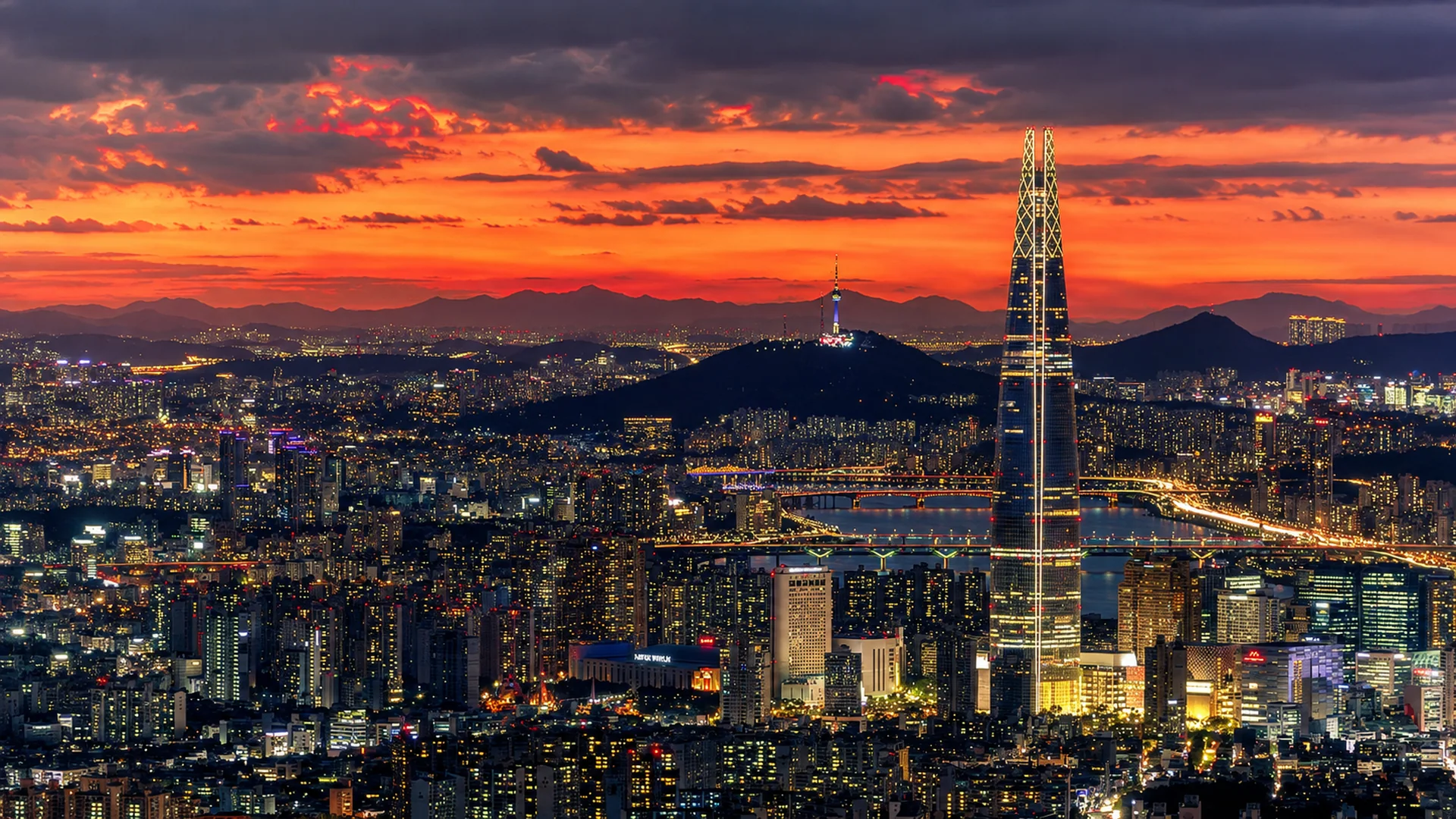
When Did “K” Become a Brand?
K-pop. K-drama. K-beauty. K-food. “K” once worked mainly as shorthand for Korean. Today, the same letter leads a widening set of categories that includes culture, food, beauty, technology, products and everyday experience. In the 2025 Survey on Korea’s National Image, overseas favorability toward South Korea reached 82.3%. In the 2026 Global Hallyu Survey, based on…
-

Korea Has Become a Country That Does Not Wait
Korea’s ppalli-ppalli culture is less a sign of an impatient national character than a norm of speed forged through postwar reconstruction and compressed economic growth. Today, it appears in the short waiting times and high predictability of Korea’s transport, healthcare, delivery, and digital services. Travelers experience the results as convenience—in fast eyeglass production, rapid restaurant…
-
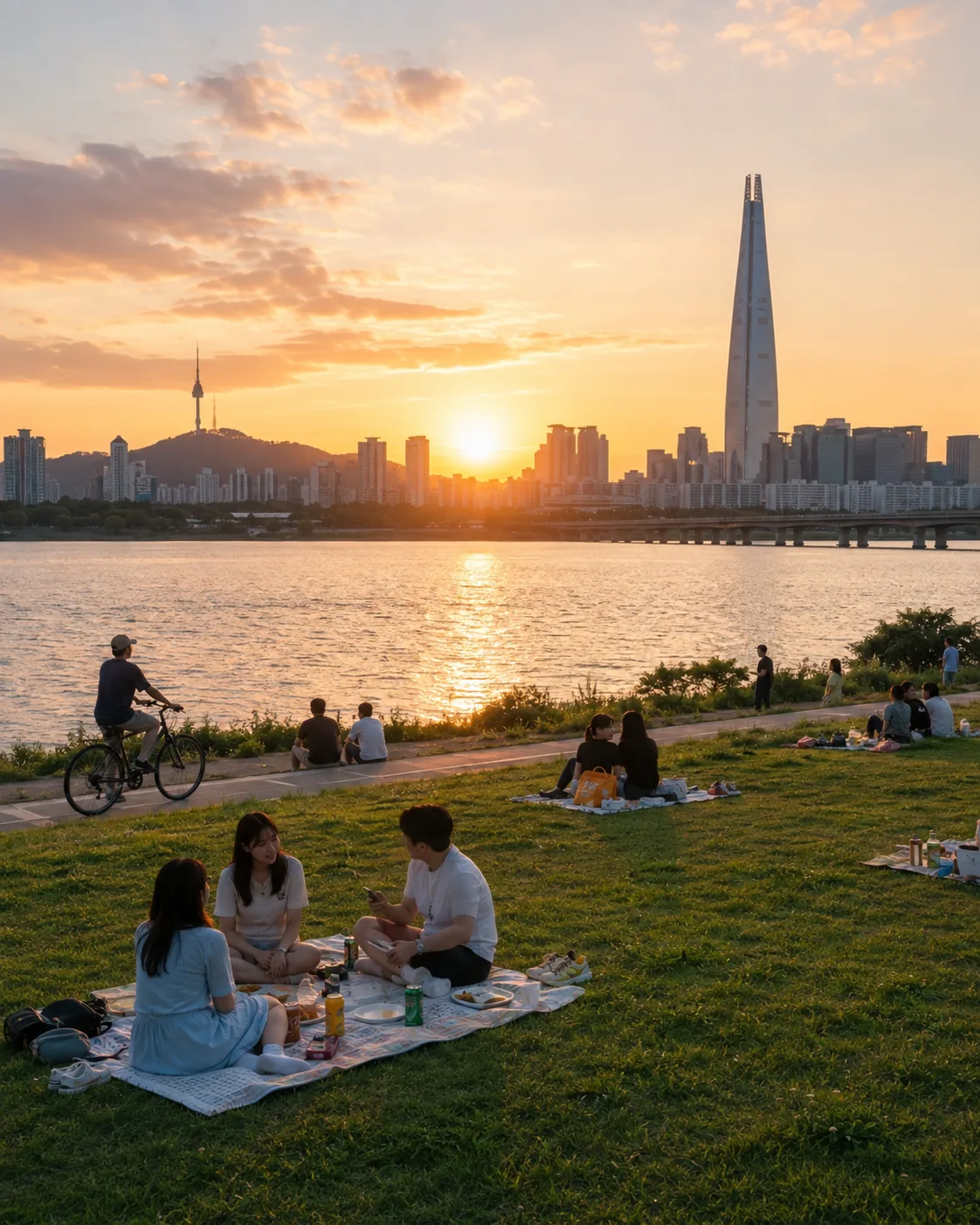
Why Global Travelers Are Gathering by the Han River
The Han River is no longer experienced only as scenery. Visitors now come to eat ramen, spread out a picnic mat, cycle, watch the sunset, and move through Seoul the way residents do. The appeal is simple but not effortless: crowds, wind, weather, and park choice can change the evening completely. That mix of beauty…
-
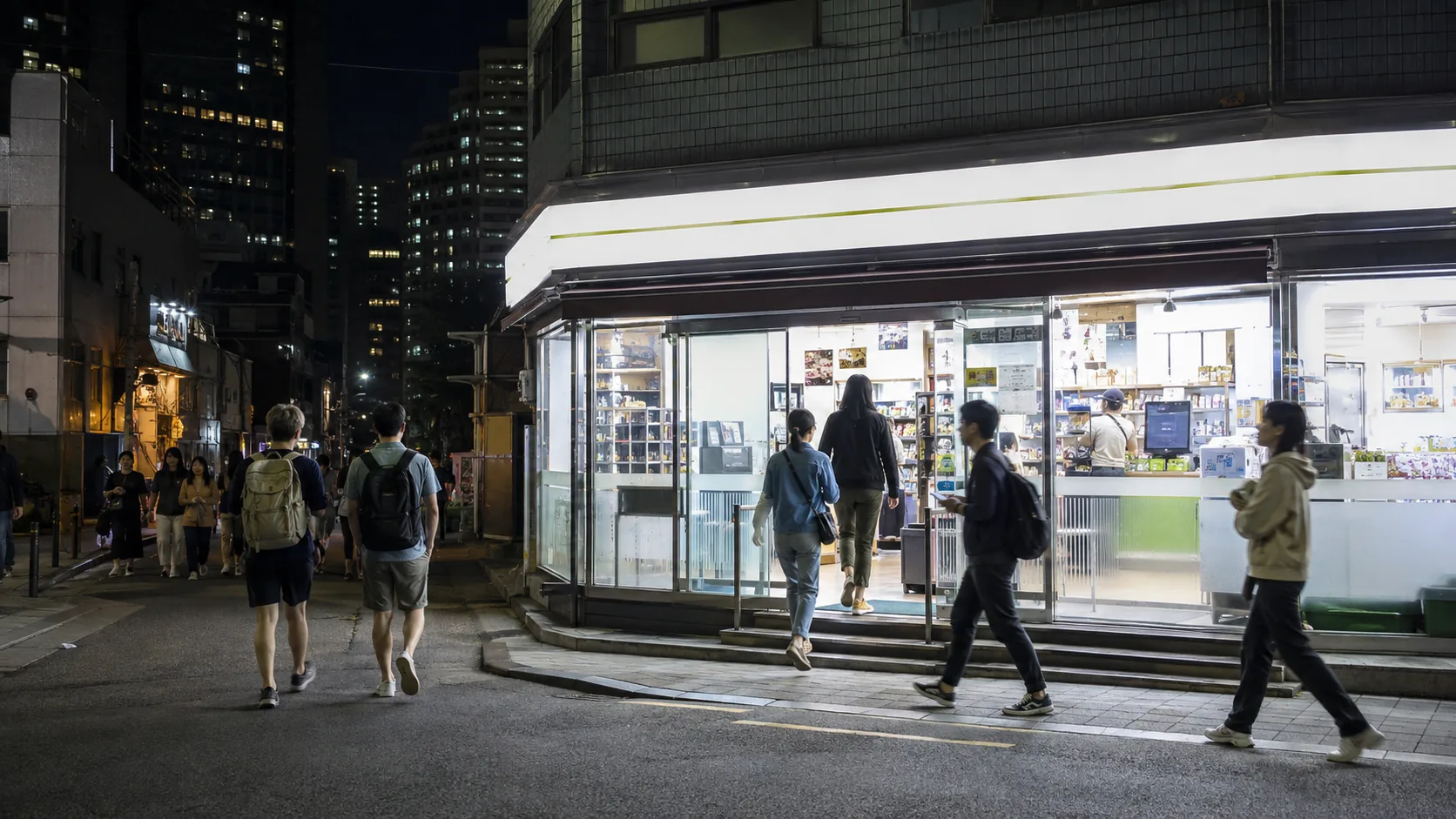
Buying Time What Korean Convenience Stores Reveal About Everyday Life
Travelers visit Korean convenience stores for ramen, snacks, and a taste of everyday culture. Koreans rely on them for something quieter: a quick meal, a forgotten item, and a few minutes returned to a crowded day.
-
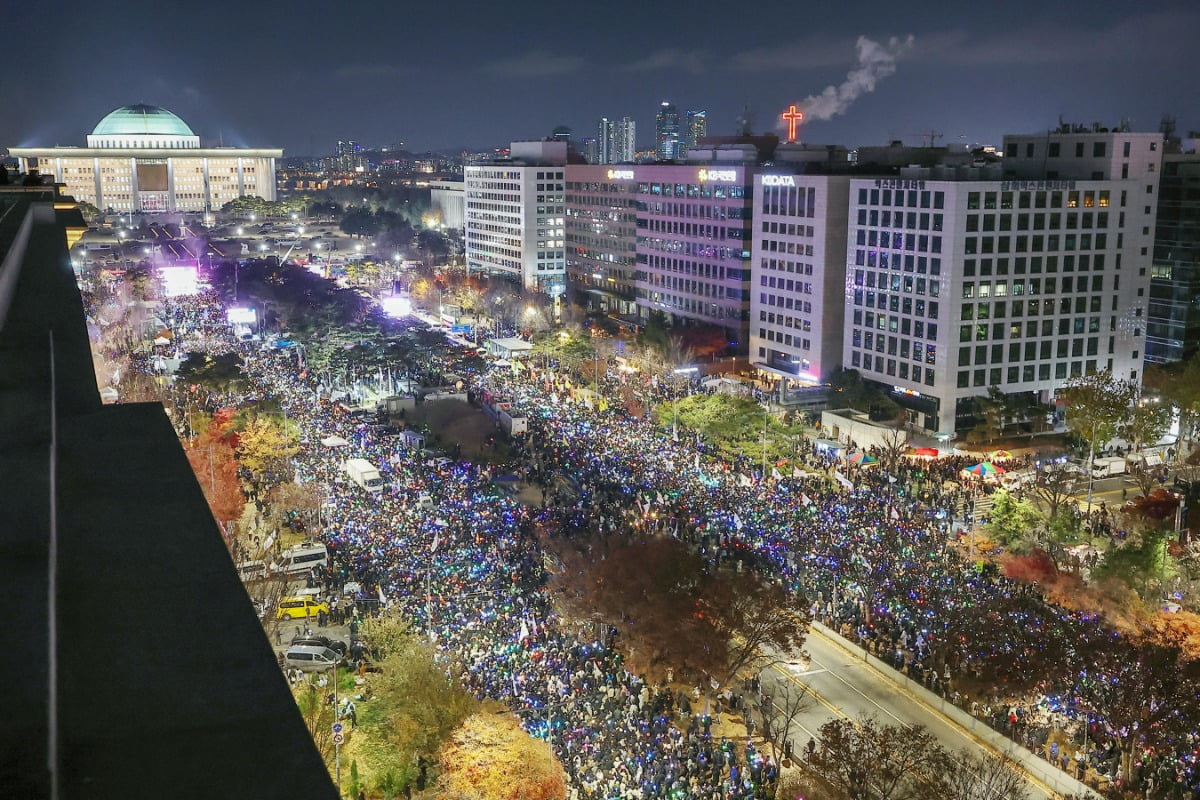
From Concert Halls to Civic Squares: How K-pop Light Sticks Became a Language of Solidarity
A K-pop light stick does more than glow. It makes fandom visible, turns audiences into part of the performance and, in South Korea’s recent civic rallies, carried those practices from the concert hall into the public square.
-
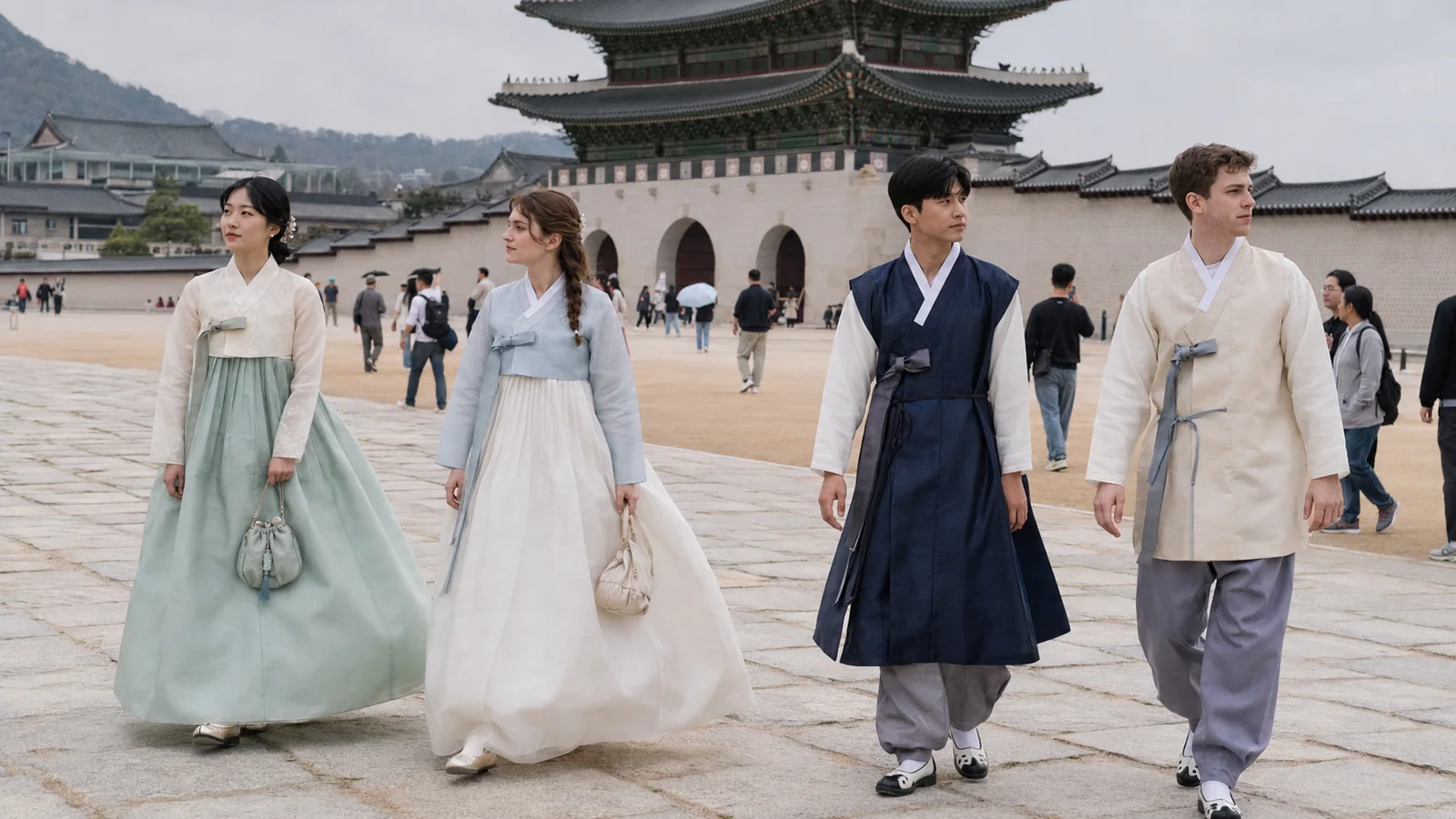
How Hanbok Turned Jongno Back into a “Fashion District”
Hanbok in Jongno is moving beyond ceremonial dress and museum display into a participatory form of urban fashion. Palace visits, rental culture, the palace free-admission policy and social media have made wearing hanbok part of travel, play and self-expression. This change shows how heritage can recover its use when place, participation, platforms and policy work…
